One common issue is an open mortgage or lien. A prior mortgage may have been paid in full but never formally discharged of record. The title search may also reveal judgment liens, tax liens, unpaid property taxes, or other claims against the seller or the property. These items generally must be paid, released, or otherwise resolved at or before closing.
The search may also uncover ownership or deed problems. A prior deed may contain an incorrect legal description, a misspelled name, a missing signature, or an improper acknowledgment. There may also be questions involving a deceased owner, an estate, a trust, a former spouse, or another person who may still have an ownership interest in the property.
Survey and boundary issues can also delay a closing. Improvements such as fences, sheds, driveways, garages, decks, or swimming pools may encroach onto neighboring property or violate setback requirements. A neighbor’s structure may also encroach onto the property being purchased.
Another frequent concern involves open building permits, certificates of occupancy, and municipal violations. An addition, finished basement, converted garage, deck, or other improvement may have been constructed without required permits or approvals. Depending upon the contract and the nature of the issue, the seller may be required to obtain approvals, cure violations, or provide an acceptable closing credit or escrow.
The title report may also disclose easements, restrictions, and rights of way affecting the property. Some are routine, such as utility easements, while others may limit how the property can be used or developed. Purchasers should carefully review any restrictions that could interfere with their intended use of the property.
Bankruptcy filings, pending lawsuits, unpaid homeowner association charges, and errors in public records may also create title concerns. In some cases, the issue can be resolved quickly through additional documentation. In others, the closing may need to be delayed while corrective documents, releases, court orders, or municipal approvals are obtained.
Most title issues are curable, but identifying them early is important. Prompt review of the title report allows the attorneys, title company, lender, seller, and purchaser to address potential problems before the scheduled closing date and reduce the risk of an unexpected delay.
Under New York law, adverse possession generally requires possession that is actual, open and notorious, exclusive, continuous, adverse, and under a claim of right for the statutory period. New York’s statute defines “claim of right” as a reasonable basis for believing the property belongs to the possessor.
Fences matter because they can be evidence that someone is treating land as their own. New York’s RPAPL § 522 provides that land may be considered possessed where there are acts sufficiently open to put a reasonably diligent owner on notice, or where the land has been protected by a “substantial enclosure.” In plain English, a real fence enclosing a disputed strip may be more legally significant than casual use.
But not every fence creates an adverse possession claim. Since New York’s 2008 amendments, RPAPL § 543 states that de minimis, non-structural encroachments, including fences, hedges, plantings, sheds, and non-structural walls, are deemed permissive and non-adverse. The same statute says lawn mowing or similar maintenance across a boundary line is also permissive and non-adverse.
That means a small fence mistake, routine yard maintenance, or minor landscaping over the line will not automatically give a neighbor ownership rights. The facts still matter: the size and permanence of the encroachment, whether the disputed area was truly enclosed, how long the condition existed, whether use was exclusive, and whether the possessor had a reasonable basis for believing the land was theirs.
For homeowners, the lesson is simple: do not rely on assumptions. Before installing or replacing a fence, get a current survey. If an existing fence appears off-line, address it promptly and in writing. Boundary problems are usually easier to solve early—before years of use, investment, and neighbor expectations turn a small fence issue into a title dispute.
This post is for general information only and is not legal advice. For details about your particular situation, feel free to call Chiariello & Chiariello – 516-801-8100
America at 250
The liberty we enjoy today was not inevitable. It was secured by the courage of those who pledged their lives, fortunes, and sacred honor to the idea that people are endowed with unalienable rights – and it has been preserved across generations by countless men and women who believed those freedoms were worth defending. The framework of law and ordered liberty they built is the same foundation that allows our work, our community, and our families to flourish.
We are deeply thankful for that legacy, and for the privilege of practicing law within a system devoted to justice and the rule of law. We are grateful, too, for the trust you place in our firm to help safeguard your own corner of it.
This Independence Day, we hope you’ll take a moment to honor those who came before us and to celebrate the freedom they passed into our keeping, perhaps even take a moment to read the Declaration (Declaration of Independence: A Transcription | National Archives). From our family to yours, we wish you a safe, joyful, and meaningful Fourth.
In New York, a party claiming adverse possession generally must prove that their possession was hostile and under a claim of right, actual, open and notorious, exclusive, and continuous for at least ten years. New York’s adverse possession statutes are found in RPAPL Article 5, including RPAPL § 501, which defines an adverse possessor as someone occupying another’s real property in a way that would give the owner a cause of action for ejectment.
A strong defense often begins by attacking one or more of these required elements. For example, if the use was occasional, shared, hidden, permissive, or interrupted, the claim may fail. A neighbor who sometimes mows a strip of grass, parks on an area with permission, or uses land in common with others may not be able to establish the kind of exclusive and continuous possession required by law.
Another key defense is permission. Adverse possession must be hostile in the legal sense, meaning the possession is inconsistent with the rights of the true owner. If the property owner gave permission — even informally — that can defeat the “hostile” element. This issue frequently arises in boundary disputes between neighbors, family members, or adjoining landowners who historically cooperated without formal agreements.
New York law also distinguishes between adverse possession claims based on a written instrument and those not based on one. Where there is no deed, judgment, or written instrument supporting the claim, the claimant generally must show acts sufficiently open to put a reasonably diligent owner on notice, or that the disputed property was protected by a substantial enclosure. RPAPL § 522 addresses these requirements.
The 2008 amendments to New York’s adverse possession law are also important. Those amendments clarified the requirement of a “claim of right” and were designed to limit claims based on stealthy or minor encroachments. However, courts have recognized that the amendments do not retroactively disturb rights that allegedly vested before the amendments took effect.
For record owners, the best defense is often early action. A survey, written objection, license agreement, demand to remove an encroachment, fence repair, or timely ejectment action can help prevent a permissive or ambiguous use from ripening into a serious adverse possession claim. Once litigation begins, the defense usually turns on detailed proof: surveys, photographs, tax maps, deeds, prior correspondence, maintenance records, witness testimony, and evidence showing the claimant’s use was not exclusive, hostile, open, or continuous for the full ten-year period.
In short, adverse possession is not automatic simply because someone used land for a long time. In New York, the claimant bears a heavy burden, and property owners often have substantial defenses when the facts are carefully developed. Because these disputes are highly fact-dependent, owners facing an adverse possession claim should promptly gather documents, preserve evidence, and consult counsel before taking or conceding any position.
If you have an adverse possession claim or defense, feel free to call us to discuss your options. 516-801-8100

When co-owners of real estate can’t agree on what to do with it, a real estate partition may be the solution. A Glen Cove, NY lawyer can help you and your family if you’re dealing with a partition action.
Read the rest of this entry »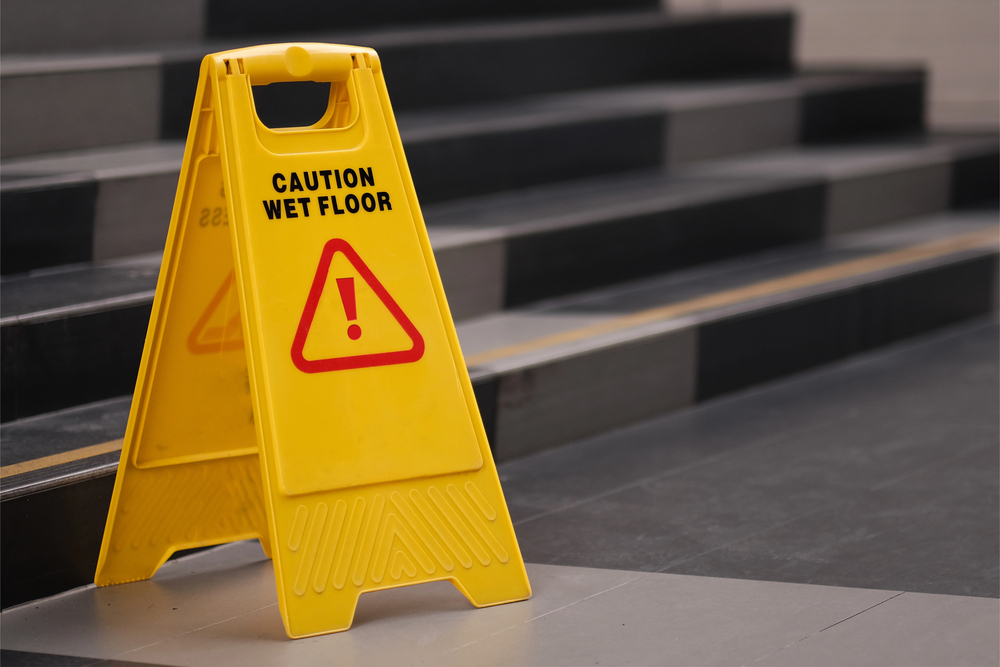
In Glen Cove, NY, a property owner can certainly be held liable under premises liability law if they fail to exercise reasonable care and someone gets hurt. It can get complicated, however, so talk to a personal injury lawyer quickly to find out where you stand and what all your options are for compensation.
Read the rest of this entry »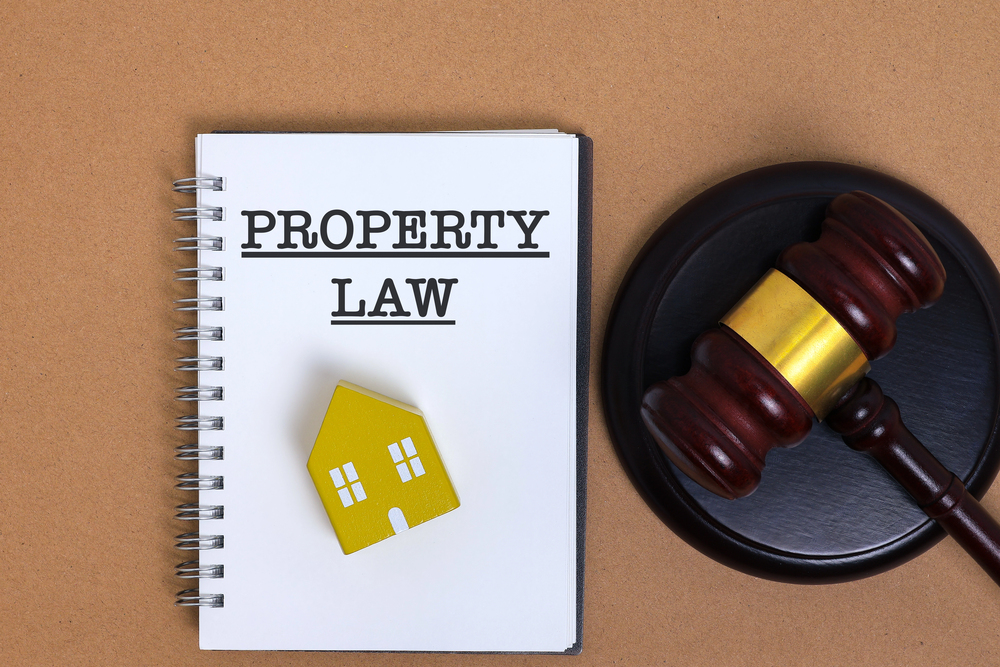
In Glen Cove, NY, landlord laws and tenant laws primarily follow New York State law, though there are some local city codes in play. Glen Cove does not fall under New York City’s specific Housing Maintenance Code, but state-level requirements apply. Local enforcement is done through the city’s Code Enforcement department.
Read the rest of this entry »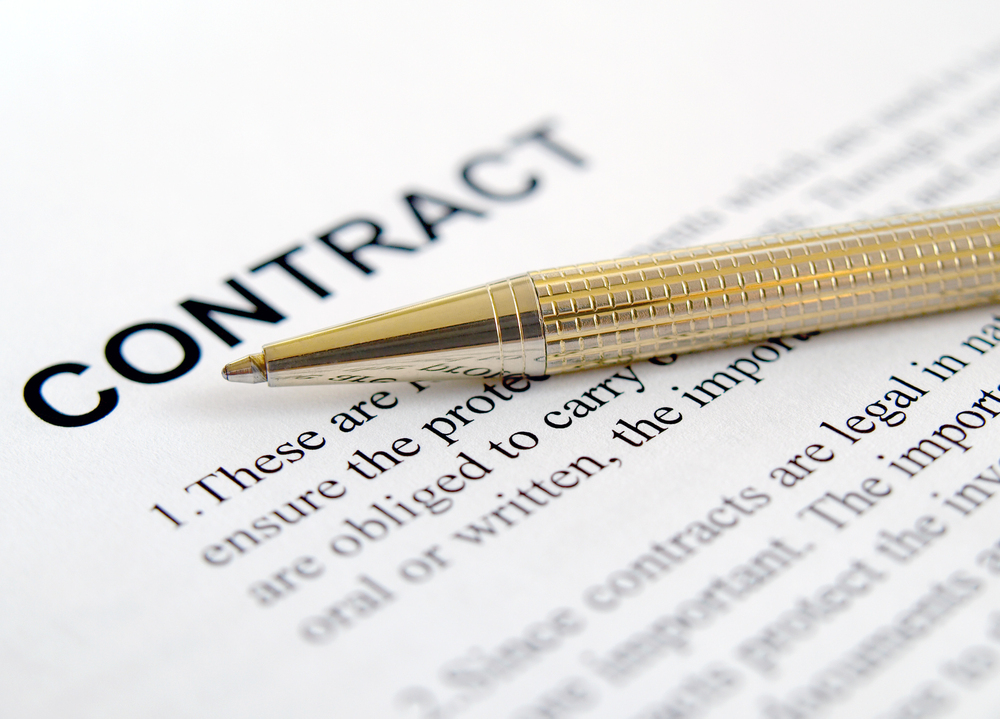
If you’re dealing with a contract dispute in New York, know that mediation is often a good option that can settle the issue without it having to go to trial. A breach of contract attorney in Glen Cove, NY, can help you decide if this approach is likely to fit your situation.
Read the rest of this entry »Easements are a common but often misunderstood part of New York real estate law. They frequently arise with shared driveways, access roads, utility lines, and drainage systems, and they can significantly affect how a property is used, sold, or developed.
Whether you are buying property, selling land, or dealing with a neighbor dispute, understanding how easements work in New York is essential to protecting your rights.
What Is an Easement?
An easement is a legal right that allows one party to use a portion of another person’s property for a specific purpose. The property owner retains ownership of the land, but their use of it may be limited by the easement holder’s rights.
Common examples include shared driveways, access paths, utility lines, and drainage channels.
How Easements Are Created in New York
New York law recognizes several ways an easement can be created. Each method has specific legal requirements and potential complications.
Express Easement (Written Grant)
An express easement is created through a written agreement between the property owner (the grantor) and the party receiving the easement (the grantee). To be enforceable, the agreement must be properly executed, clearly describe the easement and its purpose, and be recorded in the county where the property is located.
Easement by Implication
An easement may be implied when it is reasonably necessary for the use and enjoyment of a property, based on how the land was historically used and divided. Courts closely examine the circumstances surrounding the property transfer when determining whether an implied easement exists.
Easement by Prescription
A prescriptive easement may arise when someone uses another person’s property openly, continuously, and without permission for at least ten years in New York. This does not grant ownership of the land, only the right to continue the use.
Easement by Necessity
When a property is landlocked and has no reasonable access to a public road, a court may grant an easement by necessity. These easements are limited to what is required for access and generally last only as long as the necessity exists.
Common Types of Easements in New York
Easements serve many purposes depending on the nature of the property and its location.
Right-of-Way Easements
Right-of-way easements allow access across another property and are commonly used for shared driveways, private roads, and access paths. Disputes involving right-of-way easements are among the most frequent in New York.
Utility Easements
Utility companies often hold easements that allow them to install, maintain, and access electrical lines, water and sewer pipes, gas lines, and telecommunications infrastructure. These easements can limit where property owners build or make improvements.
Conservation Easements
A conservation easement restricts development in order to preserve environmental, scenic, or historic features of a property. These easements are often permanent and granted to government agencies or nonprofit organizations.
Drainage Easements
Drainage easements allow water to flow across one property for the benefit of another. They help manage stormwater and prevent flooding but can create disputes when maintenance responsibilities are unclear.
Rights and Responsibilities of Property Owners and Easement Holders
The rights and responsibilities of each party depend on how the easement was created and the language governing it. In general, the easement holder may use the property only for the stated purpose, while the property owner retains ownership and overall control of the land. Neither party may interfere with the other’s lawful rights.
How Easements Can Be Terminated in New York
Easements may end under certain circumstances.
A written release may occur when the easement holder voluntarily relinquishes their rights in writing. Abandonment can occur when the easement holder stops using the easement and clearly demonstrates intent to abandon it, although nonuse alone is often not enough. An easement may also terminate through merger if one party acquires ownership of both the easement and the underlying property. Some easements expire automatically if they were created with a specific duration or condition.
When to Contact a New York Easement Attorney
Easement issues often lead to disputes involving property access, boundaries, development rights, and property value. Because easements can be complex and highly fact-specific, working with a New York real estate attorney can help you understand your rights, enforce or challenge easement claims, and resolve disputes before they escalate.
Our easement attorneys in Long Island has handled numerous easement matters throughout New York and understands how these issues affect property owners in real-world situations. If you are facing an easement concern or potential dispute, we are happy to discuss your options.
Call us at 516-475-4428 to schedule a consultation.

Issues with the title of a property can cause big delays. Talk to a residential real estate lawyer with experience here in Long Island, NY right from the beginning, so you can have confidence that the title is clear. And if you’re already in the midst of a mess, a lawyer can help you sort through it as quickly as possible. Here’s what to expect.
What Happens If a Property Title Issue Delays Closing in the Long Island, NY Area?
Read the rest of this entry »Connect with us


- July 2026
- May 2026
- April 2026
- March 2026
- February 2026
- January 2026
- December 2025
- November 2025
- October 2025
- September 2025
- August 2025
- July 2025
- June 2025
- May 2025
- April 2025
- March 2025
- February 2025
- January 2025
- December 2024
- November 2024
- October 2024
- September 2024
- August 2024
- July 2024
- June 2024
- May 2024
- February 2024
- January 2024
- June 2023
- April 2023
- March 2023
- January 2023
Archives
Categories

Follow Us