
Blog / Real Estate

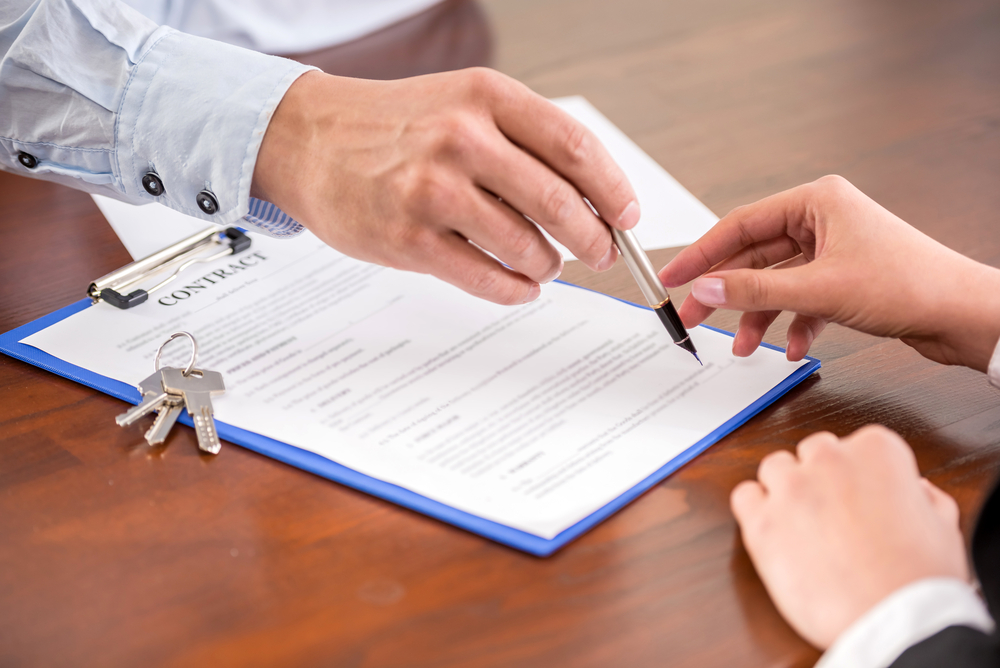
5 Things You Should Know Before Signing a Closing Contract in Long Island, NY

Buying a home in New York is thrilling, but the closing process can take some of the thrill out of it for anyone. That closing contract is a huge stack of legalese, so your Long Island, NY closing attorney will break down the key things to understand before you sign on the dotted line.

Even After the Contract, Things Can Change

When you make an offer on a property, it leads to a purchase contract. It's important to realize that even after this step, though, things can and do change. Inspections might throw up issues, title searches can reveal problems, and financing matters can arise. Make sure to work with an experienced closing attorney in Glen Cove, NY throughout these negotiations, as they'll ensure your interests are protected.

Inspections Mean a Lot

A property inspection is your chance to assess hidden repairs and issues, so don't forgo inspections just to speed up the process. Your attorney can advocate for any necessary fixes the inspection turns up or for getting you credit towards closing costs, or even, in some cases, allow you to renegotiate the purchase price.

Understand Your "Contingencies"

Contracts usually have specific "contingencies," which are conditions that must be met to move forward. Common ones include a satisfactory appraisal, getting mortgage approval, or the successful sale of your current home. These aren't just there for your protection, so know exactly what they say and the deadlines involved. Miss a deadline and you could be in breach of contract.

You Need That Title Search

Your lender requires a title search to ensure a property has "clear title," meaning there aren't outstanding liens, encroachments, or surprise ownership claims that will come back to haunt you. It may seem like legal jargon, but any discovered title defects can derail the entire closing. Your attorney will explain and resolve any title issues that come up so there are no unexpected headaches.

Closing Costs Go Beyond Down Payment

Many buyers focus on the down payment, but there are substantial closing costs to prepare for, too. These vary but often include mortgage-related fees, taxes, and other expenses. Your attorney can advise you on a realistic range of what to expect. Don't let surprise costs at the finish line trip up your budget.

Get Professional Help from Chiariello & Chiariello

New York closings have some unique hurdles compared to other states, but the expert attorneys at Chiariello & Chiariello have 50 years of experience helping the people of Long Island and the rest of New York City get into their new homes. We'll make sure your transaction is smooth and stress-free. We know the New York market inside and out, and we'll carefully review every aspect of your closing contract to safeguard your interests.

Don't wait until the last minute; contact Chiariello & Chiariello today in Long Island or anywhere in New York City to get the guidance you need so you can purchase your New York dream home with confidence.


Posted in:

Related Posts

Easements in New York: What Property Owners Need to Know

Easements are a common but often misunderstood part of New York real estate law. They frequently arise with shared driveways, access roads, utility lines, and drainage systems, and they can significantly affect how a property is used, sold, or developed. Whether you are buying property, selling land, or dealing with a neighbor dispute, understanding how easements work in New York is essential to protecting your rights. What Is an Easement? An easement is a legal right that allows one party to use a portion of another person’s property for a specific purpose. The property owner retains ownership of the land, but their use of it may be limited by the easement holder’s rights. Common examples include shared driveways, access paths, utility lines, and drainage channels. How Easements Are Created in New York New York law recognizes several ways an easement can be created. Each method has specific legal requirements and potential complications. Express Easement (Written Grant) An express easement is created through a written agreement between the property owner (the grantor) and the party receiving the easement (the grantee). To be enforceable, the agreement must be properly executed, clearly describe the easement and its purpose, and be recorded in the county where the property is located. Easement by Implication An easement may be implied when it is reasonably necessary for the use and enjoyment of a property, based on how the land was historically used and divided. Courts closely examine the circumstances surrounding the property transfer when determining whether an implied easement exists. Easement by Prescription A prescriptive easement may arise when someone uses another person’s property openly, continuously, and without permission for at least ten years in New York. This does not grant ownership of the land, only the right to continue the use. Easement by Necessity When a property is landlocked and has no reasonable access to a public road, a court may grant an easement by necessity. These easements are limited to what is required for access and generally last only as long as the necessity exists. Common Types of Easements in New York Easements serve many purposes depending on the nature of the property and its location. Right-of-Way Easements Right-of-way easements allow access across another property and are commonly used for shared driveways, private roads, and access paths. Disputes involving right-of-way easements are among the most frequent in New York. Utility Easements Utility companies often hold easements that allow them to install, maintain, and access electrical lines, water and sewer pipes, gas lines, and telecommunications infrastructure. These easements can limit where property owners build or make improvements. Conservation Easements A conservation easement restricts development in order to preserve environmental, scenic, or historic features of a property. These easements are often permanent and granted to government agencies or nonprofit organizations. Drainage Easements Drainage easements allow water to flow across one property for the benefit of another. They help manage stormwater and prevent flooding but can create disputes when maintenance responsibilities are unclear. Rights and Responsibilities of Property Owners and Easement Holders The rights and responsibilities of each party depend on how the easement was created and the language governing it. In general, the easement holder may use the property only for the stated purpose, while the property owner retains ownership and overall control of the land. Neither party may interfere with the other’s lawful rights. How Easements Can Be Terminated in New York Easements may end under certain circumstances. A written release may occur when the easement holder voluntarily relinquishes their rights in writing. Abandonment can occur when the easement holder stops using the easement and clearly demonstrates intent to abandon it, although nonuse alone is often not enough. An easement may also terminate through merger if one party acquires ownership of both the easement and the underlying property. Some easements expire automatically if they were created with a specific duration or condition. When to Contact a New York Easement Attorney Easement issues often lead to disputes involving property access, boundaries, development rights, and property value. Because easements can be complex and highly fact-specific, working with a New York real estate attorney can help you understand your rights, enforce or challenge easement claims, and resolve disputes before they escalate. Our easement attorneys in Long Island has handled numerous easement matters throughout New York and understands how these issues affect property owners in real-world situations. If you are facing an easement concern or potential dispute, we are happy to discuss your options. Call us at 516-475-4428 to schedule a consultation.

What Happens If a Property Title Issue Delays Closing?

Issues with the title of a property can cause big delays. Talk to a residential real estate lawyer with experience here in Long Island, N ​ Y right from the beginning, so you can have confidence that the title is clear. And if you're already in the midst of a mess, a lawyer can help you sort through it as quickly as possible. Here's what to expect. What Happens If a Property Title Issue Delays Closing in the Long Island, NY Area? more Transaction Limbo When there's an issue with the title, everything enters a state of limbo and uncertainty. Ownership cannot transfer when the title is not clear because the owner now cannot legally pass on full rights to the property. And because lenders are very protective of their investments, they typically won't give a mortgage loan until this problem gets fixed. Things can be paused like this for days, weeks, and sometimes even for months. It all depends on how serious and complicated the issue is. Penalties and Negotiation Your real estate contract will include a closing date, which is usually expressed as "on or about" a certain day. In practical application, this usually means you have 30 days past that date to get things worked out. But if that delay continues for too long, there may be penalties outlined in your contract. If the seller can't get the title issue fixed pretty quickly, they will often enter into negotiations, because if both parties agree, that closing date can be pushed off a bit. End Result The end result depends on whether the title issue can be fixed. If it can, hopefully the sale goes through and in a timely fashion. If it can't, then the worst-case scenario is that the sale falls through. The best way to avoid the issue in the first place is to work with a real estate attorney who can investigate the title thoroughly right from the beginning. How Title Issues Get Fixed There are a variety of possible title issues, so the fix depends on what kind of issue you encounter. In some cases, you may have to pay an outstanding claim against the property, after which there will be a formal release recorded with the county clerk. In other cases, documentation is wrong and needs to be corrected. And in yet other cases, you may have to hire a surveyor to clarify where the boundaries of the property are. Sometimes the primary fix is just negotiation. If the issue on the title is minor, such as an easement intruding farther into the property than was originally advertised, then the buyer and seller may be able to negotiate for new terms that will allow the sale to just go through. Talk to a Long Island Residential Real Estate Lawyer Today Wherever you are in the process, it's always in your best interests to get sound legal advice. Contact Chiariello & Chiariello in Glen C ove, NY today to get advice on your situation and experienced representation to protect your interests.

Appraisal Issues That Delay or Kill New York Real Estate Deals

In a New York real estate transaction, an appraisal can either move a deal forward or bring it to a sudden halt. Buyers and sellers often assume that once a contract is signed, the hardest part is over. In reality, appraisal problems are one of the most common reasons real estate deals in Long Island are delayed or fall apart before closing. Understanding how appraisal issues arise and how they are handled under New York real estate contracts can help buyers and sellers protect their interests before a problem escalates. more What Is a Real Estate Appraisal? A real estate appraisal is an independent assessment of a property’s market value, typically ordered by the lender. Lenders rely on the appraisal to confirm that the property supports the loan amount being requested. If the appraisal supports the contract price, the transaction usually moves forward. If it does not, the deal can quickly become unstable and may require legal guidance from a real estate attorney in Long Island. Common Appraisal Issues in New York Real Estate Transactions Low Appraisal Value The most common appraisal issue occurs when the appraised value comes in below the agreed purchase price. When this happens, the lender may refuse to finance the full loan amount, leaving the buyer responsible for covering the difference or renegotiating the deal. Inconsistent Comparable Sales In Long Island real estate markets, property values can vary significantly from one neighborhood to the next. Appraisers may rely on comparable sales that do not accurately reflect the subject property, leading to valuation disputes. Unique or Older Properties Homes with unique features, extensive renovations, or older construction can be difficult to value. Appraisers may struggle to find appropriate comparisons, resulting in conservative or disputed valuations. Market Volatility Rapid changes in the real estate market can cause appraisals to lag behind current buyer demand. In competitive Long Island markets, buyers may agree to prices that appraisals cannot immediately support. How Appraisal Issues Delay Closings When an appraisal comes in low or is challenged, the closing process often slows down while the parties attempt to resolve the issue. Delays may involve ordering a second appraisal, requesting a reconsideration of value, renegotiating the purchase price, or adjusting loan terms. These delays can last weeks and may create additional legal complications if contract deadlines are approaching. At that stage, speaking with a Long Island real estate attorney can help clarify rights and options. When Appraisal Issues Kill a Deal Some appraisal problems cannot be resolved. Real estate deals may fall apart when the buyer cannot cover the appraisal gap, the seller refuses to adjust the price, financing contingencies are not satisfied, or market conditions shift during extended delays. If the contract allows cancellation based on financing or appraisal contingencies, the transaction may legally terminate. If not, disputes over deposits and breach of contract can arise, often requiring legal intervention. Buyer Risks When Appraisals Come in Low Buyers face difficult decisions when an appraisal does not support the purchase price. Covering the difference out of pocket can strain finances, while walking away may result in lost time or potential deposit disputes depending on contract terms. A real estate attorney in Long Island can review the contract and explain how appraisal issues affect a buyer’s rights before irreversible decisions are made. Seller Risks Related to Appraisal Problems Sellers often assume appraisal issues are solely the buyer’s problem. In practice, a low appraisal can force price reductions, delay the sale, or signal challenges with future buyers. Legal advice can help sellers understand how to respond strategically while protecting their contractual position. How Appraisal Disputes Are Resolved Resolution depends on the contract language and the willingness of both parties to negotiate. Common outcomes include price adjustments, buyer contributions toward appraisal gaps, contract amendments extending deadlines, or mutual termination of the agreement. When negotiations stall, guidance from a Long Island real estate lawyer can help determine the best path forward. Why Legal Guidance Matters in Appraisal Disputes Appraisal issues often intersect with financing contingencies, contract deadlines, and deposit disputes. An experienced real estate attorney can review appraisal-related contract provisions, advise on legal exposure, assist with negotiations, and help resolve disputes before they escalate into litigation. When Deadlines Matter Appraisal problems can quickly put a New York real estate transaction at risk. Buyers and sellers benefit from understanding their legal position early, especially when deadlines, financing, and deposits are involved. If an appraisal issue is delaying or threatening your real estate deal, speaking with a real estate attorney in Long Island can help protect your rights and avoid unnecessary loss. Chiariello & Chiariello represents buyers and sellers throughout Long Island in complex real estate disputes and transaction issues. To discuss your situation, contact the firm to schedule a consultation and get guidance tailored to your transaction.