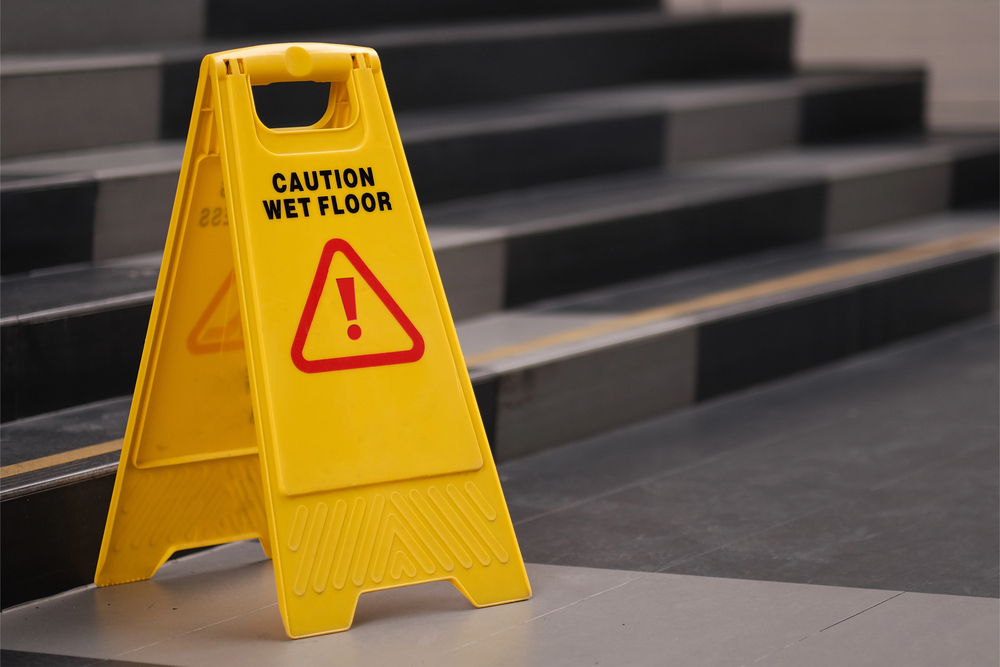
If you were hurt on someone else’s property in Glen Cove, NY, the property owner may be legally responsible. Under New York premises liability law, owners and others who control a property must keep it reasonably safe. When they fail to do so and someone gets hurt, the injured person may be entitled to compensation. These cases can get complicated quickly, so it’s smart to speak with a personal injury lawyer early to understand your rights and options. Common Types of Premises Liability Accidents Premises liability covers a wide range of accidents on homes, stores, restaurants, apartment buildings, parking lots, and other properties. Common examples include: Slip and falls on wet floors, spills, snow, or ice Trip and falls caused by broken sidewalks, potholes, or uneven flooring Falls on poorly lit or defective staircases and missing handrails Injuries from falling merchandise or objects Elevator and escalator accidents Swimming pool accidents and drownings Assaults caused by inadequate security Injuries from fires, exposed wiring, or other building code violations Who Can Be Held Liable for an Injury on Someone’s Property? To hold someone responsible in a premises liability claim, the injured person must prove the four elements of negligence: Duty of care Breach of duty Causation Damages 1. Duty of Care You must show that the defendant had a duty to keep the property reasonably safe. The duty itself is usually clear. The harder question is often who had it. Depending on the situation, the responsible party could be the property owner, a landlord, a tenant, a store or business operator, a property management company, a maintenance or snow removal contractor, or several of these at once. Identifying every responsible party can increase the compensation available to you. 2. Breach of Duty Next, you must show that the responsible party failed to meet that duty. Generally, this means proving they created the dangerous condition, knew about it, or should have known about it through reasonable inspections or reports, and still failed to fix it or warn you. A hazard that existed long enough to be discovered and repaired can be strong evidence of a breach. 3. Causation It’s not enough that an accident happened on the property. You must show that the breach of duty caused your injury, meaning that without the owner’s failure, the accident would not have happened or your injuries would not have been as serious. 4. Damages Finally, you must prove the losses you suffered because of the accident. Medical records and bills, pay stubs, expert opinions, and witness testimony are commonly used to establish damages, which may include: Past and future medical expenses Lost wages and lost earning capacity Pain and suffering Emotional distress and loss of enjoyment of life Does It Matter Why You Were on the Property? In many states, the duty a property owner owes depends on whether the injured person was an invited guest, a social visitor, or a trespasser. New York is different. Since the Court of Appeals’ decision in Basso v. Miller (1976), New York has used a single standard: property owners must act with reasonable care under the circumstances toward everyone on their property. Your reason for being there still matters, though. Courts look at how foreseeable it was that someone would be on the property, which makes it harder for a trespasser to recover than a customer or guest. Special Protection for Children Children don’t always recognize danger. New York courts have held property owners responsible when a hazard is likely to attract children who don’t understand the risk. This idea is often called the “attractive nuisance” or “child trespasser” doctrine. Unfenced swimming pools are the most common example, along with construction sites, abandoned equipment, and similar hazards. Owners are expected to take reasonable steps, such as fencing or locks, to protect children from these dangers. What If You Were Partly at Fault? New York follows a pure comparative negligence rule. Even if you were partly responsible for your accident, for example by looking at your phone while walking, you can still recover compensation. Your award is reduced by your share of the fault. How Long Do You Have to File a Premises Liability Claim in New York? In most cases, you have three years from the date of the injury to file a premises liability lawsuit in New York. If your injury happened on property owned by a city, town, county, or other government entity, the deadlines are much shorter: a notice of claim is generally due within 90 days. Waiting too long can cost you your right to compensation, so act quickly. What to Do After an Injury on Someone’s Property Get medical care right away, even if your injuries seem minor, and keep every record. If the care you receive is negligent, you may also have a medical malpractice claim Report the accident to the owner, manager, or landlord and ask for a copy of the report Photograph the hazard, the area, and your injuries Get the names and contact information of any witnesses Keep the shoes and clothing you were wearing Avoid giving recorded statements to an insurance company before speaking with a lawyer Talk to a Glen Cove Premises Liability Lawyer If you’ve been injured on someone else’s property, call a lawyer as soon as possible to understand your options and protect your rights. Evidence such as surveillance footage and maintenance records can disappear quickly. Talk to Chiariello & Chiariello, Attorneys at Law, in Glen Cove for a free consultation on your case. We serve clients throughout Long Island, Queens, and the surrounding areas of New York. Contact us today or call (516) 360-2869.