Blog

All Real Estate Personal Injury Chiariello & Chiariello Service Malpractice Civil Litigation Glen Cove Service
Learn your legal options if a seller fails to disclose property defects. Chiariello & Chiariello helps buyers protect their rights.

What Are My Legal Options If a Seller Fails to Disclose Property Defects?

When a seller fails to properly disclose defects in a property, your dream home can quickly turn into a nightmare. Residential real estate litigation may become necessary because sellers are not permitted to deliberately conceal issues with their Long Island property from potential buyers. Before pursuing legal action, it’s important to confirm that the seller actually knew about the defect. A Long Island real estate attorney familiar with these cases can advise you on which types of defects are more straightforward to prove in court and which are more difficult, as well as what approach makes the most sense for your situation. more For example, if your basement floods after a heavy rain just days after moving in, whether you have a case could depend on how long the seller lived in the home. If they only lived there during the summer, they may not have been aware of the flooding. If they had lived there for several years, it would be much harder for them to argue they had no knowledge of the problem. Lawsuit for Fraud If you can show that the seller knowingly gave you false information or deliberately failed to disclose something significant about the property, and that you relied on that information when deciding to buy, you may have a claim for fraud. You’ll also need to demonstrate that it was reasonable for you to rely on what you were told. For instance, if an inspection revealed a roof leak and you chose to proceed anyway, you likely cannot claim fraud later. Lawsuit for Breach of Contract This option applies if the seller provided a warranty against a specific defect. Most New York real estate contracts are “as is,” meaning you accept the property in its current condition when signing. A warranty, however, is different from the legal disclosures sellers are required to provide. For instance, if you’re considering a home located at the bottom of a slope and you ask about flooding, the seller might assure you that it has never been a problem. In such a case, you could request a warranty to cover that concern. Lawsuit Against the Broker In some cases, you may deal mostly with the real estate agent rather than the seller directly. If a seller told their broker about a defect but the broker failed to disclose it in order to close the sale, you may also be able to take legal action against the broker. The requirements for proving liability are the same as with the seller—you must show that they knew about the issue. Get Help with Residential Real Estate Litigation in Long Island If you’re facing a dispute over property defects, contact Chiariello & Chiariello in Long Island.

How Can a Lawyer Help Resolve a Dispute Over a Home Purchase Contract?

Purchasing a home is a significant step. However, in Glen Cove, NY, and throughout the state, disputes over home purchase contracts are not uncommon. Whether the issue relates to missed deadlines, failure to disclose property defects, financing problems, or breaches of contract terms, residential real estate litigation may prove the path to a satisfactory resolution. more How Can a Lawyer Help Resolve a Dispute Over a Home Purchase Contract? Reviewing the Contract and Identifying Issues Home purchase contracts are usually lengthy and detailed, covering everything from contingencies to closing procedures. As lawyers, we begin by reviewing the contract carefully to identify the rights and obligations of both buyer and seller. We can then assess whether the other party has violated any provisions and determine what remedies may be available. For example, if a seller refuses to complete agreed-upon repairs or a buyer fails to secure financing in time, we can determine whether these failures constitute a breach and what legal consequences might follow. A Dispute Example: The Glen Cove, NY Townhouse Imagine a buyer has contracted to purchase a townhouse. The agreement requires the seller to disclose all known material defects and maintain the property's condition until closing. During the final walk-through, the buyer discovers significant basement water damage from a leaky foundation, an issue that the seller never disclosed. The buyer wants to either negotiate a repair credit or back out without losing the deposit, while the seller insists the purchase must proceed. The buyer calls us in to advise on the situation. We would first review the seller's disclosure obligations under New York law. If the seller knowingly concealed the defect, this could allow us to argue breach of contract or even fraud. The buyer has various options: negotiating a credit, rescinding the contract and recovering the deposit, or suing for damages. We might first negotiate directly with the seller's attorney, presenting evidence and pushing for a fair settlement. If talks fail, we can move to litigation, using discovery to uncover whether the seller knew about the defect. Remedies Provided by Residential Real Estate Litigation New York contract law provides various remedies when one party breaches a real estate agreement. Many disputes can be resolved without going to court, through negotiating extensions, credits, or revised terms to keep deals alive. If settlement proves difficult, mediation offers a structured way to reach a resolution. However, if these methods prove ineffective and there is no option but to litigate, we will both handle the procedural requirements of New York real estate litigation and advocate for you effectively in court. We will discuss your options with you ahead of time and together evaluate which remedy will best align with your goals. Depending on the situation, this may mean arguing to secure the property, walking away cleanly, or recovering financial losses. Whatever issues you may be facing in your home purchase, we can help. To book a consultation with an experienced attorney, contact us at Chiariello & Chiariello in Glen Cove, NY.

Can a Buyer Back Out of a Home Sale Without Legal Consequences?

When purchasing a home, buyers may experience moments of doubt or encounter unexpected issues that lead them to reconsider the decision. If you’re a homebuyer, you might wonder: Can you back out of a home sale without facing legal consequences? Understanding your rights and the legal implications of canceling a home purchase is essential to avoid unnecessary complications. more At Chiariello & Chiariello, a trusted law firm based in Glen Cove, NY, we understand that real estate transactions can be complex. In this article, we’ll walk you through the potential legal ramifications of backing out of a home sale, and how working with an experienced real estate lawyer can help safeguard your interests. What is a Real Estate Contract and Can You Legally Cancel It? A real estate contract is a binding agreement between a buyer and a seller. Once both parties have signed, the agreement is legally enforceable. As such, backing out of a home sale without legal justification could lead to legal consequences, including loss of deposits or even lawsuits for breach of contract. However, in some cases, buyers do have the option to cancel the contract without facing such penalties. Buyer's Contingencies in Real Estate Contracts One of the main ways a buyer can legally back out of a home sale is through contingencies. A contingency clause allows the buyer to cancel the sale under certain conditions, such as: Home Inspection Contingency: If a home inspection uncovers significant issues, such as structural damage or plumbing problems, a buyer may back out of the deal without facing legal penalties. Appraisal Contingency: If the property doesn’t appraise for the purchase price, a buyer may have the right to cancel the contract and walk away without consequences. Financing Contingency: If the buyer is unable to secure financing, they may back out of the sale without legal repercussions. Title Issues Contingency: Problems with the title of the property, such as liens or ownership disputes, can also provide a valid reason to cancel the sale. When is It Difficult to Back Out of a Home Sale? While contingencies offer some protection, there are situations where backing out of a home sale is more difficult, especially if no contingency applies. Buyers should be aware of the following potential legal issues: No Contingencies in the Contract If a real estate contract doesn’t include contingencies, a buyer may have limited options to cancel the agreement. Without these clauses, the buyer could be held liable for breach of contract, which may result in legal action from the seller, including keeping the earnest money deposit. Other Contractual Terms Some other clauses used in real estate contracts, such as "time is of the essence" clauses, put pressure on the buyer to close by a specific date. Failing to meet this requirement without valid grounds could result in financial and legal penalties.  These clauses are not often used in New York, but when they are you need a competent attorney to help you navigate the pitfalls. Seller’s Claims If the buyer attempts to back out of the sale, the seller could potentially file a lawsuit for damages, potentially beyond the downpayment amount, particularly if they are unable to sell the property to another buyer at the same price or within the same timeframe. What Are the Legal Consequences of Backing Out of a Home Sale? If a buyer backs out of a home sale without legal justification, they could face a variety of consequences. Here are some of the most common legal repercussions: Loss of Earnest Money Deposit: When a buyer makes an offer on a home, they often put down an earnest money deposit to show their commitment. If the buyer backs out without valid grounds, they could lose this deposit, which typically ranges from 5% to 10% of the sale price.  This is the primary element of damages when a buyer backs out of a deal without good cause. Breach of Contract: If no contingency clauses allow the buyer to cancel the sale, they could be considered in breach of the contract. The seller may sue for damages resulting from the buyer’s inability to complete the purchase. How to Protect Yourself as a Buyer in a Real Estate Transaction Understanding your rights as a buyer is essential to protecting yourself in a home purchase. Here are some tips for navigating the process smoothly: Work with an Experienced Real Estate Lawyer: A real estate lawyer can help you review the contract, ensure that contingencies are included, and provide guidance on how to legally back out of a sale if necessary. At Chiariello & Chiariello in Glen Cove, NY, we specialize in real estate law and can help you protect your interests in a home purchase. Negotiate Contingencies: If you're in the process of negotiating a home purchase, be sure to include contingencies that allow you to back out if specific issues arise. Your attorney can help draft and review these provisions to ensure they’re legally sound. Thoroughly Review the Contract: Before signing a real estate contract, take time to review the document carefully and understand all the clauses involved. Be aware of any "time is of the essence" clauses, and ensure you know the consequences of failing to meet deadlines. Be Prepared to Act Quickly: In some cases, situations may arise that necessitate canceling a home purchase. If you find yourself needing to back out, it's essential to act quickly and consult a lawyer to ensure you're within your legal rights. Contact Chiariello & Chiariello for Legal Guidance If you’re considering backing out of a home sale or are currently involved in a real estate transaction, having an experienced lawyer by your side can help ensure your rights are protected. At Chiariello & Chiariello, we offer comprehensive legal services to buyers and sellers in Glen Cove, NY, and throughout Long Island. Contact us today at 516-475-4428 or visit our contact page to schedule a consultation and ensure that your real estate transaction goes smoothly. Conclusion Backing out of a home sale is not always a simple process, and it can come with significant legal consequences if not handled correctly. Whether you’re facing issues with the property, financing, or other contingencies, it’s important to understand your options. By working with an experienced real estate lawyer, you can navigate the complexities of the process and protect yourself from legal pitfalls. Contact Chiariello & Chiariello today for professional legal assistance in all matters related to real estate law.

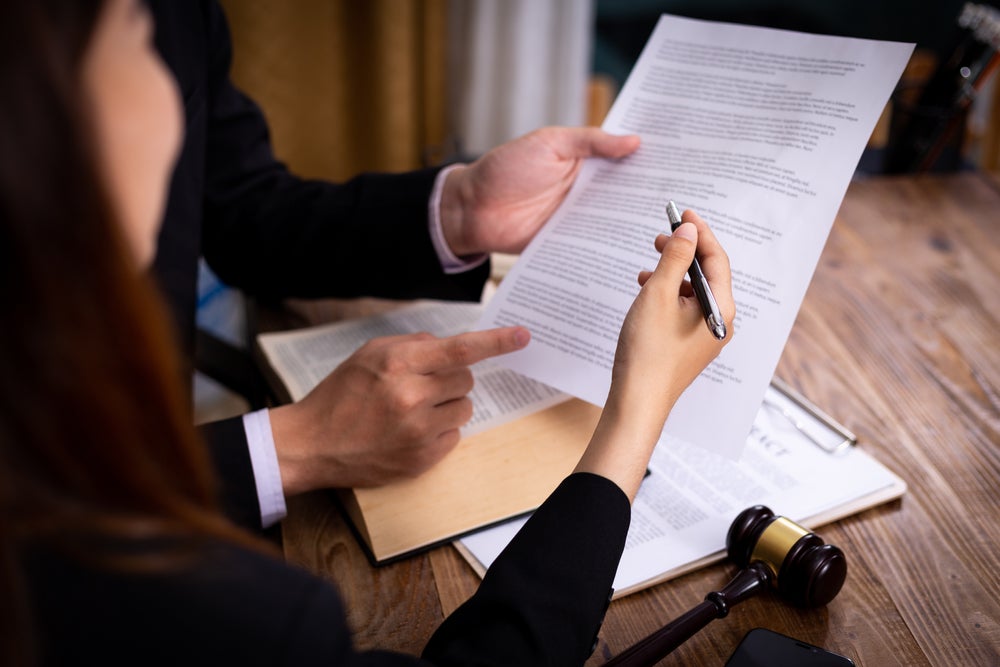
Top Legal Issues to Watch for in New York Real Estate Contracts

By Chiariello & Chiariello – Real Estate Lawyers in Glen Cove, NY Real estate contracts are legally binding agreements that carry serious consequences if not properly understood. Whether you’re buying, selling, or leasing property in Glen Cove or anywhere in New York, it’s essential to recognize the legal risks involved. At Chiariello & Chiariello, we’ve helped countless clients avoid contract pitfalls and protect their real estate investments. Below, we break down some of the most common legal issues to watch for in New York real estate contracts and how to protect your rights more 1. Ambiguous or Missing Terms One of the most common legal problems in real estate contracts is vague language or missing key terms. A contract should clearly define: The purchase price and deposit Closing date and possession terms Responsibilities for inspections and repairs Contingencies (e.g., financing, appraisal) Even a small ambiguity can lead to major disagreements. Always have an experienced real estate attorney review the contract to ensure everything is clearly spelled out. 2. Failure to Include Contingency Clauses Contingency clauses allow you to cancel or renegotiate a deal based on specific conditions. The most important contingencies typically include: Mortgage contingency: allows the buyer to back out if financing falls through Inspection contingency: protects the buyer if major defects are found Sale contingency: while rarely allowed in NY, such a contingency can be negotiated to give buyers time to sell their current home Without these clauses, you could be locked into a contract with no legal escape route. If you're unsure what contingencies apply to your deal, don’t wait contact us for guidance. 3. Inadequate Property Disclosures Under New York law, sellers are now required to fill out a detailed disclosure form about the property. Even so, some sellers may try to omit key issues like water damage, foundation cracks, or environmental hazards. This makes it crucial to conduct thorough inspections and document everything in writing. If you suspect nondisclosure or misrepresentation, a real estate lawyer in Glen Cove can help you explore your legal options. Schedule a consultation to learn more. 4. Breach of Contract and Enforcement What happens if one party fails to uphold their end of the deal? Whether it’s a buyer backing out after the contract is signed or a seller refusing to make agreed-upon repairs, a breach of contract can delay or derail the entire transaction. Depending on the situation, you may be entitled to remedies such as: Specific performance (forcing the sale) Refund of earnest money Damages for financial losses Don’t navigate a breach of contract on your own contact us to protect your legal interests. 5. Title Issues and Liens Before closing, the buyer’s attorney typically performs a title search to identify any liens, judgments, or ownership disputes that could impact the sale. Common title problems include: Unpaid property taxes Unreleased mortgages Boundary disputes Mechanic’s liens Failing to resolve these issues before closing can result in long-term legal battles. If you’re dealing with a complicated title situation, our Glen Cove real estate lawyers can help resolve it efficiently. Book a consultation today. 6. Misunderstandings About “As-Is” Clauses Many real estate contracts in New York include “as-is” clauses, meaning the property is sold in its current condition. However, this doesn’t automatically release the seller from liability for known defects they fail to disclose and the exact terms of such a clause should be specifically negotiated. Buyers often assume “as-is” means they have no legal recourse but that’s not always true. Our attorneys can help you understand what your rights are under an “as-is” contract. If you’ve been misled, contact us to discuss your legal options. Protect Yourself with a Glen Cove Real Estate Attorney Every real estate contract should be reviewed by a knowledgeable attorney who understands New York law. At Chiariello & Chiariello, we have over 50 years of experience helping buyers, sellers and developers protect their investments and avoid legal trouble. Whether you’re preparing to close on a home or navigating a contract dispute, our team is ready to help. Contact us today for a personalized consultation with a trusted Glen Cove real estate lawyer. About Chiariello & Chiariello Based in Glen Cove, NY, Chiariello & Chiariello is a full-service law firm offering experienced representation in real estate law, personal injury, and more. Learn more about our firm here.

Partition - The Real Estate Divorce

The partition process in New York is a legal procedure used when multiple people share ownership of real property—typically as tenants in common or joint tenants—and one or more parties wish to divide or sell the property, but cannot agree on how to do so. This commonly occurs among family members who inherit property or co-owners who have had a falling out. more Under New York law, any co-owner has the right to seek a partition by filing a lawsuit in the New York Supreme Court (the state’s trial-level court). The court first determines whether the party has a legal right to partition. If so, the court will evaluate whether the property can be physically divided (partition in kind), or if it must be sold and the proceeds distributed (partition by sale). A partition in kind is preferred if feasible—especially for rural land—but is often impractical for urban properties or single-family homes. If the court determines a physical division is not possible without harming the value or rights of the parties, it will order a judicial sale, usually by a court-appointed referee. Proceeds from a sale are typically distributed according to each party’s ownership interest, after accounting for any adjustments such as improvements made, taxes paid, or expenses incurred by individual co-owners. In 2020, New York adopted the Uniform Partition of Heirs Property Act (UPHPA), which applies to inherited property. The UPHPA adds protections for heirs by requiring an appraisal and giving co-owners the opportunity to buy out the interest of the party seeking the sale before the court orders a public sale. The partition process can be complex and emotionally charged, particularly among family members. Legal counsel is highly recommended to navigate the procedural requirements and protect the parties’ interests. Feel free to call Chiariello & Chiariello if you need assistance with a dispute regarding your ownership in real property. 516-801-8100

Buying or selling a home in Long Island? Learn how a Long Island residential real estate lawyer can help with title defects, disclosures, contract disputes, and boundary issues to protect your investment.

What Legal Issues Commonly Arise in Residential Real Estate Transactions?

Purchasing or selling residential property in New York involves more than just signing a contract and handing over the keys. Every transaction has potential issues that need to be addressed to protect your rights and financial interests. A dependable residential real estate lawyer in Long Island, can help you understand the legal issues that commonly arise in residential real estate transactions. With the right guidance, you can approach your deal with clarity and confidence. From a Residential Real Estate Lawyer in Long Island: Common Issues in Residential Real Estate Transactions Title Defects and Ownership Disputes A clear title is one of the most important components of a valid real estate transaction. If there are defects in the title, such as outstanding liens, unresolved ownership claims, or recorded easements, you may face serious legal and financial risks. Title insurance can help mitigate some of these risks, but it does not resolve ownership disputes themselves. We assist you by conducting thorough title searches to uncover any problems before closing. If issues appear, we help you resolve them through negotiation, legal filings, or litigation when necessary. This ensures that you take ownership of a property free from hidden legal entanglements. Issues With Property Disclosures Under New York law, sellers must provide buyers with accurate and complete disclosures regarding the condition of the property. Common issues involve unpermitted renovations, lead paint, mold, structural problems, or drainage issues. If you purchase a home and later discover material defects that the seller failed to disclose, you may have legal options available to you. We help you determine whether a seller misrepresented or failed to disclose important facts and advise you on possible courses of action under New York law. Contractual Disputes and Contingencies Residential real estate contracts in New York typically include contingencies for inspections, financing, and appraisals. Disputes often arise if either party attempts to back out of the deal or fails to meet contractual deadlines. Disagreements can also occur if inspection reports reveal defects or if the appraisal comes in lower than the purchase price. We review your contract in detail and advise you on your obligations and rights under its terms. If a dispute develops, we advocate for your interests and work to resolve the matter through negotiation or litigation if necessary. Problems With Property Boundaries Boundary disputes in Long Island, can surface during residential transactions, particularly in older neighborhoods where property lines may not have been well defined. A discrepancy between the survey and the deed or the discovery of encroachments can cause delays or even derail the sale. We coordinate with surveyors and title companies to clarify boundary lines and address encroachments before they become legal problems. If a dispute escalates, we represent you in asserting or defending your property rights. Legal issues in New York residential real estate transactions can cause serious delays, unexpected costs, and future legal complexities. By understanding the risks and working with experienced counsel, you can protect your investment and ensure a smooth transaction. Schedule a consultation with us today at Chiariello & Chiariello to receive the legal advice you need to move forward with confidence.

Buying a home in New York? Discover a step-by-step guide to the real estate process—from financial prep and mortgage approval to inspections, contracts, and closing.

Buying a Home in New York - The Process

Buying a home in New York is a complex process that involves several legal, financial, and logistical steps. Whether you’re purchasing a co-op, condo, or a single-family house, understanding the complete process can help you avoid costly mistakes and make informed decisions. Below is a step-by-step guide to the home-buying process in New York, covering the essential stages from preparation to closing. more 1. Evaluate Your Finances Before beginning your home search, assess your financial situation. Determine how much you can afford to spend based on your income, savings, and existing debts. Most buyers need to provide a down payment of at least 10–20% of the purchase price, though some programs may allow for less. You'll also need to budget for closing costs, which typically range from 2–6% of the purchase price, depending on the type of property. 2. Get Pre-Approved for a Mortgage Getting pre-approved for a mortgage gives you a clear sense of your purchasing power and shows sellers that you're a serious buyer. During this step, a lender will review your credit, income, and assets. You’ll receive a pre-approval letter, which is often required before sellers will consider an offer in New York's competitive market. 3. Work With a Real Estate Agent An experienced real estate agent can be a valuable guide throughout the process. Look for someone who is familiar with the specific area and type of property you're interested in (e.g., NYC co-ops vs. Long Island single-family homes). Agents help you find listings, schedule showings, and negotiate terms. Confirm who will be paying the broker’s commission up front. Previously, it was usually the seller’s agent who split their commission with the buyer’s agent and it was all paid by the seller. Things have changed so make sure you know your responsibilities before beginning the relationship. 4. Begin Your Home Search With your agent, start visiting homes that match your criteria. Consider not only the condition and features of the home, but also location, access to transportation, schools, and neighborhood safety. Be prepared to act quickly, as good properties can move fast in New York. 5. Make an Offer When you find the right property, your agent will help you submit an offer. In New York, this offer is usually presented in writing and includes your proposed purchase price and any contingencies (such as financing or inspection). However, the offer is generally not legally binding until contracts are signed by both parties and should contain a clause to that effect. 6. Schedule an Inspection Though not required, a home inspection is highly recommended for single-family homes and townhouses. It helps uncover potential issues with the property before closing. You should get a competent inspector to help you understand the condition of your home and any issues that may need to be addressed by way of a price adjustment or addressing in the contract repairs that need to be made before closing. 7. Hire a New York Real Estate Attorney In New York, attorneys are essential to the transaction. After your offer is accepted, your real estate attorney will review the contract, perform title searches, and negotiate any necessary changes to the contract language. Title searches will show, among other things, open mortgages or liens on the property, if there are any problems pertaining to certificates of occupancy for the property or any structures included in the sale, as well as any other issues that may impact boundary lines or your lawful use and occupancy of the property. 8. Sign the Contract and Submit a Deposit Once your attorney reviews the contract and negotiates the terms, you'll sign the purchase contract and provide a deposit, typically 5%-10% of the purchase price. This step legally binds the transaction. The attorney will order the title search once both sides sign the contract and will ensure the contract provides contingencies in the event title problems are disclosed. 9. Finalize Your Mortgage Application With the signed contract in hand, you’ll finalize your mortgage application. The lender will arrange for an appraisal and may request additional documentation. Once approved, you'll receive a mortgage commitment letter. 10. Closing the Deal The closing generally takes place 45–60 days after signing the contract, but in New York the closing date in the contract is generally understood to be “on or about” with leeway for adjournments of a week or two. At the closing table, you’ll sign all necessary documents your lender requires, pay closing costs, and receive the keys to your new home. Buying a home in New York requires patience, preparation, and the right team of professionals. From financial planning to closing, each step is essential to ensuring a successful and secure transaction. While this is a generalized outline of the process, reach out to Long Island real estate attorneys at Chiariello & Chiariello by contacting us online for guidance when you start the home search can help ease your stress and allow the process to proceed smoothly.

Learn what a driveway easement is, your legal rights, and how disputes arise. Talk to our Long Island estate lawyers and Queens real estate lawyers today!

Driveway Easement Issues in New York: A Legal Overview

In New York, driveway easement issues are a frequent concern for homeowners. These legal matters often arise when one property owner uses part of a neighbor’s land for driveway access. This is common in suburban areas like Long Island or more densely populated regions such as Queens, where property boundaries can be tight and shared access is sometimes necessary. more An easement for a driveway allows someone who does not have direct road access to use a neighbor’s driveway or land for entry and exit. These easements can be granted formally through written agreements or informally based on long-term use. So, what is a driveway easement? A driveway easement is a legal right that allows someone to use a portion of another person’s property to reach their own. It is not ownership of land but permission to use it for a specific purpose, most commonly, access to a public road. What Is an Easement for a Driveway? There are different types of driveway easements that apply in New York: Express easement: This is a written agreement recorded in the property’s deed or a separate legal document. Implied easement: This arises when long-term use indicates that shared access was always intended. Easement by necessity: When a property is landlocked and the only way to access it is through a neighbor’s land, the court may recognize an easement by necessity. Prescriptive easement: This is created after someone uses part of another’s property openly and continuously for at least ten years without permission. Common Driveway Easement Rights and Issues Property owners often ask about their driveway easement rights. These rights depend on the type of easement in place and the terms outlined in any legal agreement. Disputes may begin when a new owner purchases a property and challenges an existing easement or when driveway use changes significantly. For example, if a previously quiet residential driveway begins seeing heavier traffic due to construction or business activity, the neighbor who owns the land may object. Maintenance is another common issue. Who is responsible for snow removal or repairing potholes? Unless a maintenance agreement is in place, confusion over responsibility can lead to legal conflict. New York courts typically look at the original intent of the easement and how the property has been used over time. If the easement was recorded, courts will examine the language used in those documents. If the easement is implied or prescriptive, the history of use plays a key role in determining its validity and scope. Can a Driveway Easement Be Revoked? One of the most common questions is, can a driveway easement be revoked? The answer depends on the type of easement and how it was created. An express easement can usually only be revoked if both parties agree to terminate it in writing or if the terms of the easement allow for cancellation under specific conditions. An implied or prescriptive easement is more difficult to revoke. Courts often consider these rights permanent unless there is strong evidence that the need no longer exists or that use has stopped for a long time. If you believe your driveway easement is being unfairly challenged or if you're unsure of your rights, it’s important to seek legal advice right away. Delaying action could affect your ability to enforce your property rights. Why Clear Documentation Matters To prevent disputes, property owners should clearly document all driveway easement agreements. This includes where the easement begins and ends, how it can be used, and who is responsible for maintenance. Recording the easement with the county clerk helps make sure future buyers are aware of it and reduces the chance of disputes later. Even when neighbors are on good terms, it’s smart to put agreements in writing. That way, if ownership changes, the easement rights are still protected and understood by all parties. Talk to a New York Real Estate Lawyer Today Driveway easements can lead to serious disputes if not handled properly. If you're dealing with a driveway easement issue or need help understanding your rights, talk to a New York real estate lawyer as soon as possible. Our team handles driveway easement matters throughout Long Island and Queens and can help you take the right steps to protect your property. Contact our New York, Long Island, and Queens real estate lawyers today to schedule a consultation!

What Legal Protections Exist for Buyers in a Real Estate Transaction?

Purchasing a property is a big step and a significant financial decision that requires attention to detail and an awareness of local law. State law is designed to safeguard your interests, hold sellers accountable for disclosures, and ensures transparency during the transaction process. With the necessary legal support from a real estate lawyer in Long Island, NY, you can confidently understand these various safeguards and the effect they may have on your real estate transaction. more From a Real Estate Lawyer in Long Island, NY: Understanding Legal Protections in a Real Estate Transaction Contractual Safeguards The real estate contract you sign is one of your primary sources of legal protection. This agreement outlines the terms of the transaction, including contingencies that allow you to cancel or renegotiate if certain conditions are not met. Most contracts include provisions for financing, title clearance, and home inspections. You need to ensure that the contract is drafted and reviewed by an attorney who can identify risks and make sure your obligations are clearly defined. If the seller fails to meet the terms, you may be able to walk away with your deposit returned or pursue remedies under contract law. Duty to Disclose Under New York's Property Condition Disclosure Act, sellers are required to complete a disclosure statement about the condition of the property. This document includes questions about structural defects, utility systems, environmental hazards, and prior damage. If a seller knowingly conceals a problem with the house, however minimal, you may have grounds for legal action. Verifying Clear Title and Property Rights Before closing on a property, you are entitled to a clear title. Title searches and insurance protect you from issues such as liens, boundary disputes, or prior ownership claims. A clean title ensures that you acquire full ownership without hidden legal complications. Quality legal counsel can help confirm the property's status under state law and ensure that your real estate transaction can progress without being hindered by ambiguous titles. Securing Financing and Appraisal Rights You also have the right to secure financing under terms that are clearly outlined in your contract. Mortgage contingencies give you the ability to cancel the transaction if you are unable to obtain funding by a certain date. You should also be aware of your right to a fair market appraisal, which confirms that the price you are paying matches the value of the property. If the appraisal comes in lower than expected, you may renegotiate or withdraw based on this contingency, helping you avoid being charged more than the property is worth. Real estate buyers in New York benefit from several legal protections designed to create a fair and informed real estate transaction, and our team of qualified lawyers will guide you through the contract, disclosures, title verification, and financing process to ensure your rights are upheld. Schedule a consultation with us toda y at Chiariello & Chiariello in Long Island, NY, to be sure that you have a fair contract.

What Happens if the Seller Backs Out Before Closing?

You've entered into a real estate contract and are working through the many details needed to close, when suddenly the seller backs out. What happens? A real estate lawyer in Long Island, explains what factors affect how things unfold and what recourse there is for the buyer. What Happens if the Seller Backs Out Before Closing? First, Consider the Contract Terms In New York State, most real estate contracts have contingencies, for example, inspection, sale of the buyer's home, or financing. If the seller backs out for a reason that is not based on the contract terms, they may be considered in breach of contract. The contract will generally identify the means for dealing with a breach of contract. more Next, Consider the Seller's Reason for Withdrawing Of course, if both parties reach a mutual agreement to cancel the contract, then there is no obligation to keep to it. In addition, if the seller backs out of a contract for a reason clearly outlined in the contract, there are no legal consequences. This happens often with contracts that have a contingency allowing the seller to cancel under particular circumstances, such as if the seller's purchase of another property falls through. However, if the buyer does not meet the contract's obligations, the seller is not bound to keep the contract; for example, if a mortgage is not secured by the deadline. If There Is No Valid Reason If there is no valid reason for the seller backing out of the agreement, the buyer has several options. In general, they have the right to demand the return of any down payment they've made. In the state of New York, the seller's lawyer or a title company generally holds down payments in an escrow account until closing. If the seller backs out before closing, the down payment will usually be returned in full to the buyer. The buyer might also be able to seek compensation from the seller for financial losses due to the seller's breach of contract, such as attorney or inspection fees or even the difference in price of the property they end up having to buy. In some cases, the buyer may petition a court to order the seller to proceed with the sale, especially if the contract is for a unique property. Consult a Real Estate Lawyer in Long Island An attorney is an invaluable resource in a real estate transaction, since attorneys can review the contract to make sure it's legally valid and advise their clients on effective solutions when issues arise. If necessary, your attorney can negotiate with the other party's attorney to reach a resolution outside the courts. Litigation can be costly and time-consuming, and a lawyer can help with negotiating a settlement rather than pursuing a lawsuit. If you are involved in a situation where the seller has backed out of the contract, reach out to the law offices of Chiariello & Chiariello in Long Island. We are experienced in the field of real estate law, and ready to advise and assist you with your real estate needs.

Resolve property line disputes in Queens with legal help from real estate attorneys in Queens. Learn about driveway disputes, boundary issues, and your rights. Contact us today for guidance.

Property Line Disputes in Queens: Legal Solutions for Homeowners

Property line disputes can be a significant source of stress for homeowners in Queens. Whether it's a disagreement over a fence, a driveway encroachment, or a misunderstanding about boundary lines, these conflicts can quickly escalate. Resolving these issues efficiently requires the expertise of a real estate attorney in Queens who understands local property laws and can protect your rights. more Common Causes of Property Line Disputes Boundary disputes arise for various reasons, often due to unclear property lines or misinterpretations of deeds. Some of the most common causes include: Fence and Wall Encroachments: A homeowner builds a fence or wall that extends beyond their property line. Driveway Disputes: Neighbors may disagree over the rightful use of a shared driveway or claim part of a driveway as their own. Tree and Landscaping Issues: Overhanging tree branches or encroaching roots may lead to disputes between property owners. Misplaced Structures: Sheds, decks, or home additions that extend onto a neighbor's land can cause legal complications. How a Real Estate Attorney in Queens Can Help Property line disputes can be complex, requiring a legal approach tailored to the specific situation. A skilled attorney can help in several ways: Conducting Property Research: Reviewing property deeds, surveys, and historical records to clarify ownership. Negotiating with Neighbors: Attempting to reach a peaceful resolution before escalating to legal action. Filing Quiet Title Actions: Legal proceedings that help determine rightful ownership when disputes persist. Representing Clients in Court: If an agreement cannot be reached, a real estate attorney can advocate for your interests in litigation. Understanding Driveway Disputes in Queens Driveway disputes are particularly common in densely populated areas like Queens, where shared access or unclear property lines can create conflicts. Homeowners may face issues such as: Blocked or restricted access to a shared driveway. Claims that a portion of the driveway belongs to a neighbor. Disputes over maintenance responsibilities for a shared driveway. Resolving these matters often requires reviewing property records and easement agreements. A real estate attorney in Queens can provide legal guidance to protect your property rights and ensure fair use of shared spaces. Steps to Take When Facing a Property Line Dispute If you find yourself in a property dispute, consider the following steps: Review Your Property Deed: Check the legal description of your property and any past surveys. Hire a Licensed Surveyor: A professional survey can clarify the exact boundaries of your land. Communicate with Your Neighbor: Attempt a respectful conversation to find a mutually agreeable solution. Consult a Real Estate Attorney: If the issue remains unresolved, seeking legal counsel is the best course of action. Preventing Future Property Disputes To avoid property line conflicts in the future, homeowners should: Conduct thorough research before purchasing a property. Install fences and structures within clearly marked boundaries. Establish written agreements for shared driveways or easements. Regularly update property surveys to ensure boundary clarity. Speak with a Real Estate Attorney in Queens Today Property line disputes can quickly become stressful and costly if not handled properly. Whether you're facing a driveway dispute or a boundary conflict, the experienced legal team at Chiariello & Chiariello is here to help. Contact us today to protect your property rights and find the best resolution for your case. Schedule a consultation with our knowledgeable Queens real estate attorneys now.

https://www.chiariello.com/real-estate-attorneys-glen-cove-ny

Four Situations to Hire a Breach of Contract Lawyer in Long Island

A well-drafted contract provides security for all parties in an agreement. If you suspect that the other party has breached the agreement, it's advisable to hire a breach of contract lawyer as soon as possible. Different states have distinct rules about the available remedies for a proven breach of contract, so if you're in Long Island, you should consult an attorney with experience with New York law. more Four Situations to Hire a Breach of Contract Lawyer in Long Island 1: Failure to Pay If your contract involves goods or services, one party may be contractually obliged to make payment. An occasional late payment may not cause significant issues, but if payment is seriously late or has not been made at all, legal advice is essential. Missing payments can have a serious impact on a business and may affect future trading by reducing available capital. Your contract should stipulate penalties for non-payment, and a lawyer can help enforce the terms. 2: Real Estate Breaches The sale and purchase of real estate can involve a series of complex transactions, so there are multiple opportunities for a breach to occur. There may be a breach at the close of the sale, with the title deeds not being transferred or a refusal to proceed. In other cases, a breach may be discovered after the sale is complete, such as the non-disclosure of property defects. 3: Failure to Meet the Agreed Terms Every contract will set out what is expected of each party, and what they are contractually obliged to provide. Failure to meet these agreed terms is a breach of contract. This could include non-delivery of the agreed service or products, or delivering a lower quality than previously agreed. It is crucial to deal with failure to deliver swiftly because of the potential impact on the business. In some cases, the other party may inform you that they anticipate failing to meet the contractual terms. This is known as an anticipatory breach. This can be a complex situation involving an obligation for the other party to take steps to minimize or avoid losses after notice has been provided. Legal advice is critical as soon as possible in these situations. 4: Breach of Intellectual Property Rights Intellectual property rights are often integral to the success of a business, so any contract should make ownership, rights of use, and licensing rights crystal clear. If the other party uses your intellectual property in a way that isn't permitted by the contract, legal action can be taken. Examples of this might include publicizing confidential information, reverse engineering, or the unauthorized use of intellectual property. Within the terms of the contract, there may also be a non-compete clause. This prevents a party from taking your intellectual property to a competitor after the contract has finished. The contract will typically specify a timeframe and a geographic restriction. As a family-run law firm, we have helped clients throughout Long Island with breach of contract cases. Whether you need advice on drafting a new contract or believe a breach has occurred, contact us at Chiariello & Chiariello in Long Island for legal assistance you can trust.

Contact Us

Fill out this form below and we'll contact you shortly
*Required Fields