Easements are a common but often misunderstood part of New York real estate law. They frequently arise with shared driveways, access roads, utility lines, and drainage systems, and they can significantly affect how a property is used, sold, or developed.
Whether you are buying property, selling land, or dealing with a neighbor dispute, understanding how easements work in New York is essential to protecting your rights.
What Is an Easement?
An easement is a legal right that allows one party to use a portion of another person’s property for a specific purpose. The property owner retains ownership of the land, but their use of it may be limited by the easement holder’s rights.
Common examples include shared driveways, access paths, utility lines, and drainage channels.
How Easements Are Created in New York
New York law recognizes several ways an easement can be created. Each method has specific legal requirements and potential complications.
Express Easement (Written Grant)
An express easement is created through a written agreement between the property owner (the grantor) and the party receiving the easement (the grantee). To be enforceable, the agreement must be properly executed, clearly describe the easement and its purpose, and be recorded in the county where the property is located.
Easement by Implication
An easement may be implied when it is reasonably necessary for the use and enjoyment of a property, based on how the land was historically used and divided. Courts closely examine the circumstances surrounding the property transfer when determining whether an implied easement exists.
Easement by Prescription
A prescriptive easement may arise when someone uses another person’s property openly, continuously, and without permission for at least ten years in New York. This does not grant ownership of the land, only the right to continue the use.
Easement by Necessity
When a property is landlocked and has no reasonable access to a public road, a court may grant an easement by necessity. These easements are limited to what is required for access and generally last only as long as the necessity exists.
Common Types of Easements in New York
Easements serve many purposes depending on the nature of the property and its location.
Right-of-Way Easements
Right-of-way easements allow access across another property and are commonly used for shared driveways, private roads, and access paths. Disputes involving right-of-way easements are among the most frequent in New York.
Utility Easements
Utility companies often hold easements that allow them to install, maintain, and access electrical lines, water and sewer pipes, gas lines, and telecommunications infrastructure. These easements can limit where property owners build or make improvements.
Conservation Easements
A conservation easement restricts development in order to preserve environmental, scenic, or historic features of a property. These easements are often permanent and granted to government agencies or nonprofit organizations.
Drainage Easements
Drainage easements allow water to flow across one property for the benefit of another. They help manage stormwater and prevent flooding but can create disputes when maintenance responsibilities are unclear.
Rights and Responsibilities of Property Owners and Easement Holders
The rights and responsibilities of each party depend on how the easement was created and the language governing it. In general, the easement holder may use the property only for the stated purpose, while the property owner retains ownership and overall control of the land. Neither party may interfere with the other’s lawful rights.
How Easements Can Be Terminated in New York
Easements may end under certain circumstances.
A written release may occur when the easement holder voluntarily relinquishes their rights in writing. Abandonment can occur when the easement holder stops using the easement and clearly demonstrates intent to abandon it, although nonuse alone is often not enough. An easement may also terminate through merger if one party acquires ownership of both the easement and the underlying property. Some easements expire automatically if they were created with a specific duration or condition.
When to Contact a New York Easement Attorney
Easement issues often lead to disputes involving property access, boundaries, development rights, and property value. Because easements can be complex and highly fact-specific, working with a New York real estate attorney can help you understand your rights, enforce or challenge easement claims, and resolve disputes before they escalate.
Our easement attorneys in Long Island has handled numerous easement matters throughout New York and understands how these issues affect property owners in real-world situations. If you are facing an easement concern or potential dispute, we are happy to discuss your options.
Call us at 516-475-4428 to schedule a consultation.

Issues with the title of a property can cause big delays. Talk to a residential real estate lawyer with experience here in Long Island, NY right from the beginning, so you can have confidence that the title is clear. And if you’re already in the midst of a mess, a lawyer can help you sort through it as quickly as possible. Here’s what to expect.
What Happens If a Property Title Issue Delays Closing in the Long Island, NY Area?
Read the rest of this entry »
In a New York real estate transaction, an appraisal can either move a deal forward or bring it to a sudden halt. Buyers and sellers often assume that once a contract is signed, the hardest part is over. In reality, appraisal problems are one of the most common reasons real estate deals in Long Island are delayed or fall apart before closing.
Understanding how appraisal issues arise and how they are handled under New York real estate contracts can help buyers and sellers protect their interests before a problem escalates.
Read the rest of this entry »What Are “Time Is of the Essence” Clauses and How They Impact Real Estate Closings in NY

In New York real estate transactions, deadlines matter—but not all deadlines carry the same legal weight. One phrase in particular can dramatically change the outcome of a delayed closing: “time is of the essence.”
Buyers and sellers often see this language in contracts or pre-closing notices without fully understanding its consequences. In practice, a time is of the essence clause can determine whether a deal survives a missed deadline or collapses entirely.
Read the rest of this entry »
Real estate contracts play a crucial role in property transactions, outlining the rights and responsibilities of each party involved. However, what happens when these contracts are breached? Understanding the consequences of a breach is essential for anyone involved in real estate dealings. Chiariello & Chiariello, a trusted legal firm in New York, specializes in guiding clients through such complexities.
This blog post delves into the intricacies of real estate contract breaches in New York, offering insights and solutions with the expertise of Chiariello & Chiariello.
Read the rest of this entry »
When a seller fails to properly disclose defects in a property, your dream home can quickly turn into a nightmare. Residential real estate litigation may become necessary because sellers are not permitted to deliberately conceal issues with their Long Island property from potential buyers.
Before pursuing legal action, it’s important to confirm that the seller actually knew about the defect. A Long Island real estate attorney familiar with these cases can advise you on which types of defects are more straightforward to prove in court and which are more difficult, as well as what approach makes the most sense for your situation.
Read the rest of this entry »
Purchasing a home is a significant step. However, in Glen Cove, NY, and throughout the state, disputes over home purchase contracts are not uncommon. Whether the issue relates to missed deadlines, failure to disclose property defects, financing problems, or breaches of contract terms, residential real estate litigation may prove the path to a satisfactory resolution.
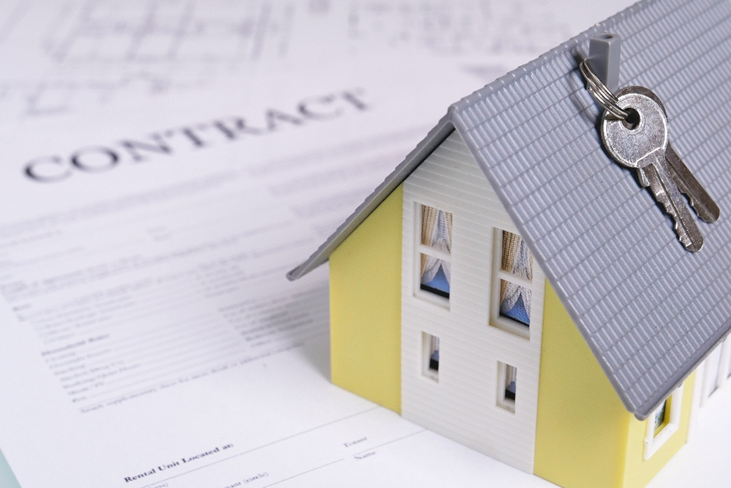
When purchasing a home, buyers may experience moments of doubt or encounter unexpected issues that lead them to reconsider the decision. If you’re a homebuyer, you might wonder: Can you back out of a home sale without facing legal consequences? Understanding your rights and the legal implications of canceling a home purchase is essential to avoid unnecessary complications.
Read the rest of this entry »By Chiariello & Chiariello – Real Estate Lawyers in Glen Cove, NY

Real estate contracts are legally binding agreements that carry serious consequences if not properly understood. Whether you’re buying, selling, or leasing property in Glen Cove or anywhere in New York, it’s essential to recognize the legal risks involved.
At Chiariello & Chiariello, we’ve helped countless clients avoid contract pitfalls and protect their real estate investments. Below, we break down some of the most common legal issues to watch for in New York real estate contracts and how to protect your rights
Read the rest of this entry »Partition – The Real Estate Divorce
The partition process in New York is a legal procedure used when multiple people share ownership of real property—typically as tenants in common or joint tenants—and one or more parties wish to divide or sell the property, but cannot agree on how to do so. This commonly occurs among family members who inherit property or co-owners who have had a falling out.
Read the rest of this entry »Connect with us


- December 2025
- November 2025
- October 2025
- September 2025
- August 2025
- July 2025
- June 2025
- May 2025
- April 2025
- March 2025
- February 2025
- January 2025
- December 2024
- November 2024
- October 2024
- September 2024
- August 2024
- July 2024
- June 2024
- May 2024
- February 2024
- January 2024
- June 2023
- April 2023
- March 2023
- January 2023
Archives
Categories

Follow Us